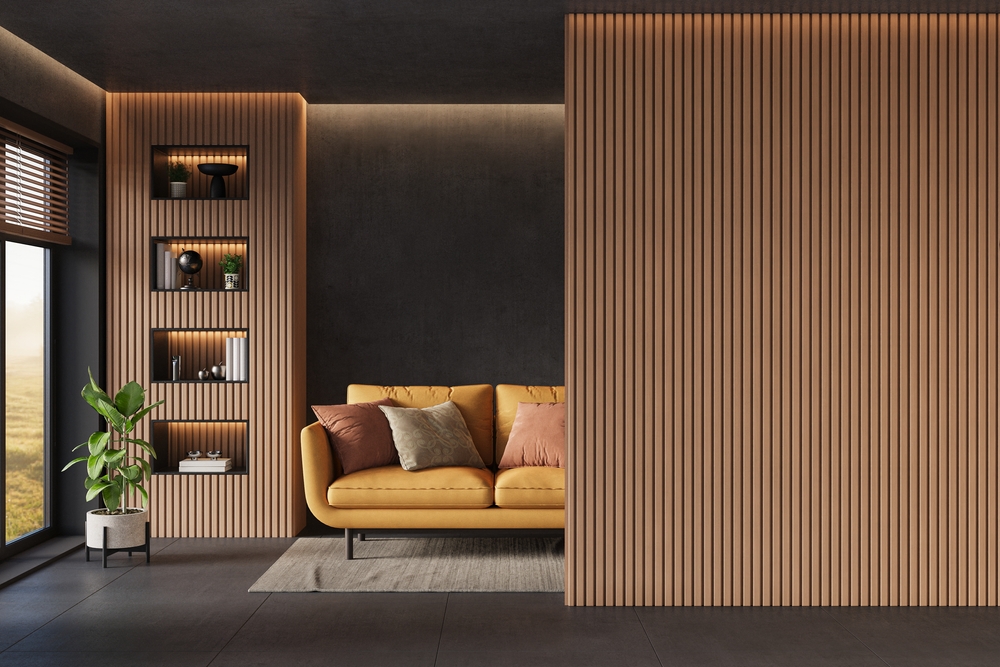
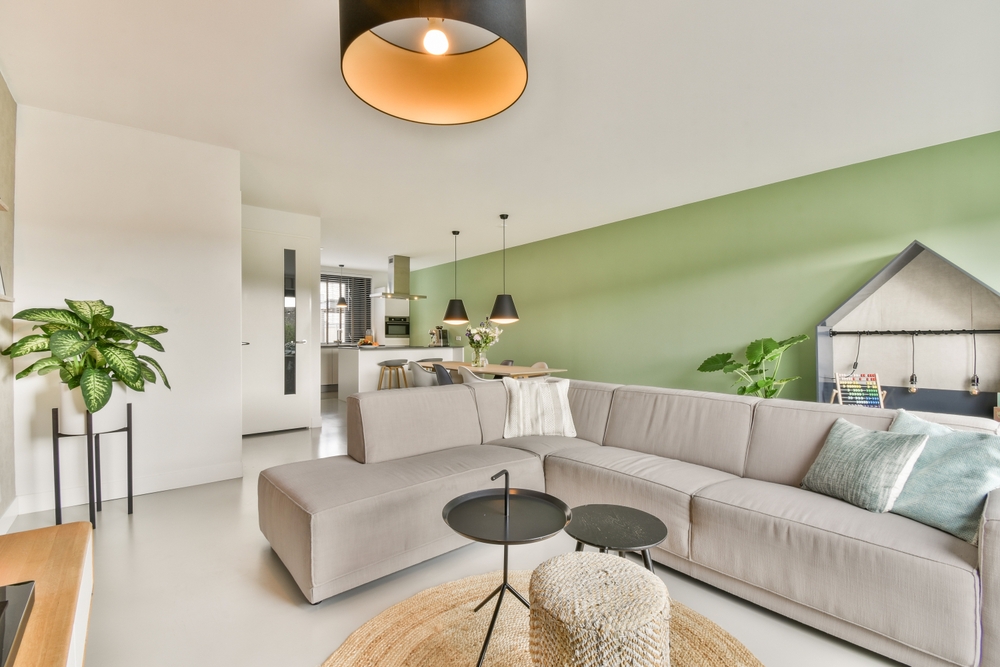
The 60/30/10 rule of interior design is a widely used interior design principle for creating colour balance and harmony in a room. As the name suggests, the rule divides the use of colour into three proportions: 60%, 30% and 10%.
The main colour of a room should cover 60% of the space, creating the dominant backdrop to the room. A secondary colour makes up about 30%, adding contrast and depth and the remaining 10% is reserved for an accent colour which adds visual interest.
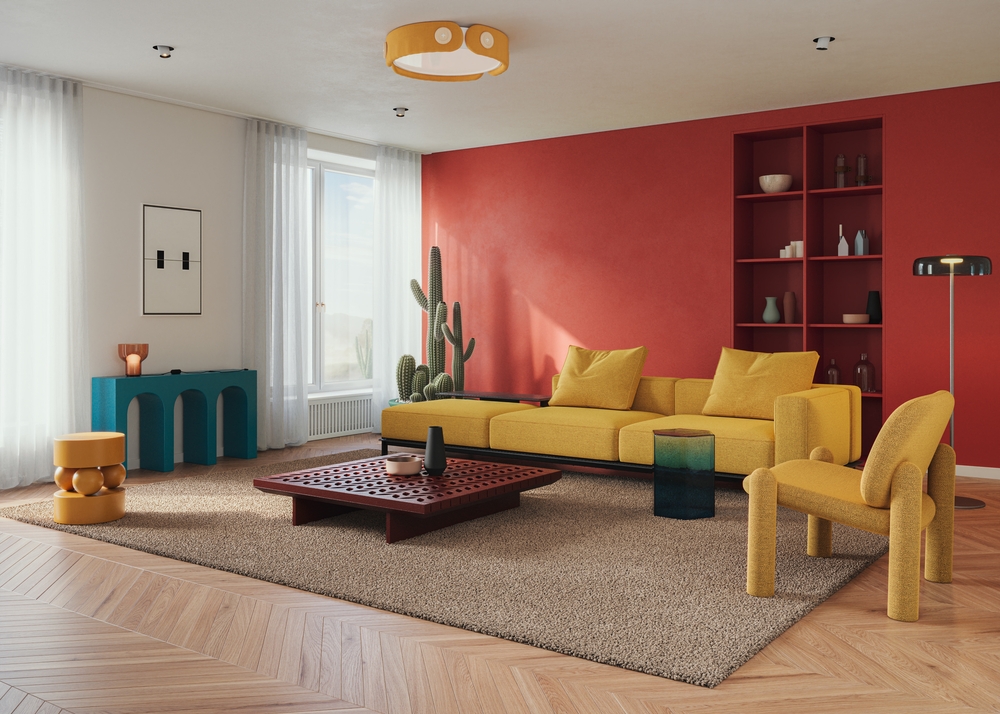
How the 60/30/10 Rule is Used
The starting point of incorporating the 60/30/10 rule is to start with the 60%. This is the dominant colour or your base. This is usually a neutral colour that will take up the biggest portion of space – walls, floor, large furniture etc.
Once the main colour is established, consider a secondary colour. This will be the 30% and adds contrast and depth to the room. It can be incorporated through cabinetry, smaller furniture pieces or feature walls. The colour you choose here should complement your dominant colour.
The remaining 10% of the room is an accent colour. This is often considered the fun part of following the 60/30/10 rule. This pop of colour can come from vases, lamps, cushions, artwork etc. The colour you choose should stand out against your dominant and secondary colours.
When choosing your three colours, consider how they work together rather than selecting each colour independently. Your dominant and secondary colours should create a well-balanced foundation, while the accent colour can provide a point of contrast and draw attention to particular features of the room.
The 60/30/10 rule can help create a cohesive and balanced space while adding personality and making your home feel more inviting.
To discuss your design ideas, contact the team at Lateral Building Design.