The art deco style of architecture originated in France in the 1920s and ‘30s. Known in French as Arts Décoratifs (translated as decorative arts), art deco is known for its opulence and luxurious feel.
The popularity of art deco coincided with the Golden Age of Hollywood which began in the 1920s. It inspired many set designers at the time and is the reason why ‘Hollywood glamour’ themes tend to lean toward a vintage art deco aesthetic.
Early on, art deco architecture was used for skyscraper type buildings, however, the style has since extended to cinemas, hotels and residential buildings.
Characteristics of Art Deco Architecture
Art deco is characterised by clean lines, symmetrical forms and striking decorative elements. Buildings are often constructed from materials such as stucco, chrome, steel, decorative glass and polished stone.
Bold, geometric patterns such as chevrons, sunbursts and zigzags and high contrast colour palettes are common features of art deco style.
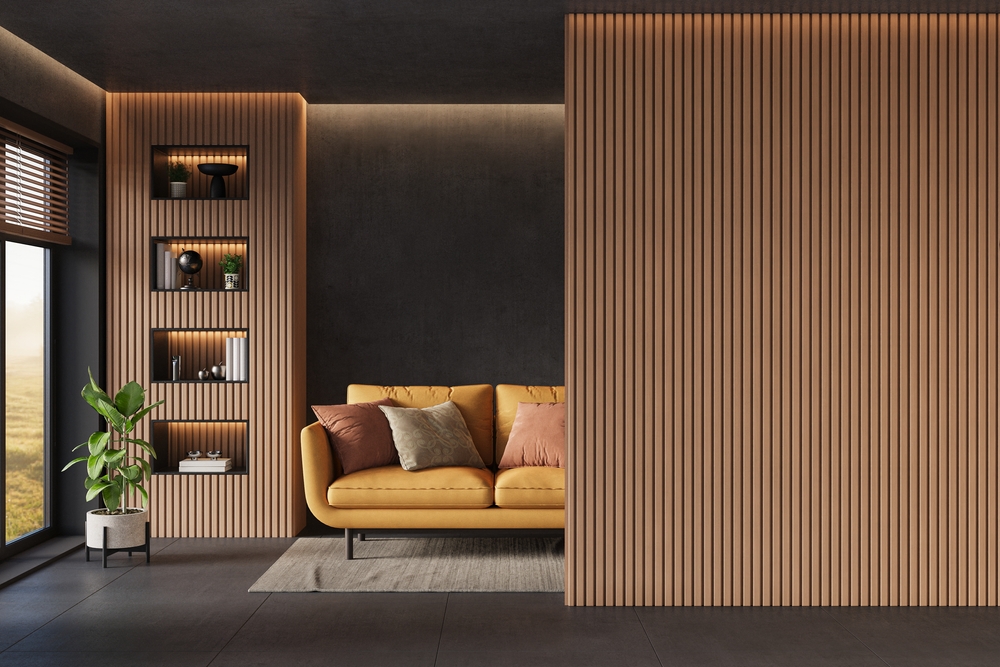
Interiors incorporate luxurious materials such as velvet, marble and lacquer, vintage furnishings and metallic finishes such as brass and chrome.
Examples of Art Deco Architecture
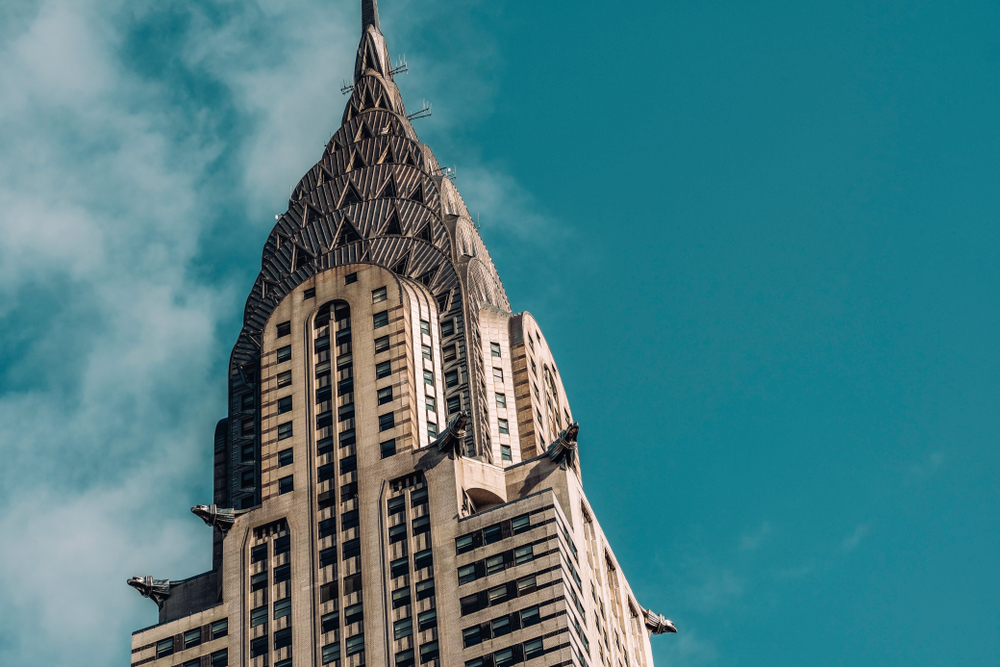
Some of the most iconic buildings around the world were constructed in the art deco style. Two of the most famous examples are the Chrysler Building and Empire State Building in New York
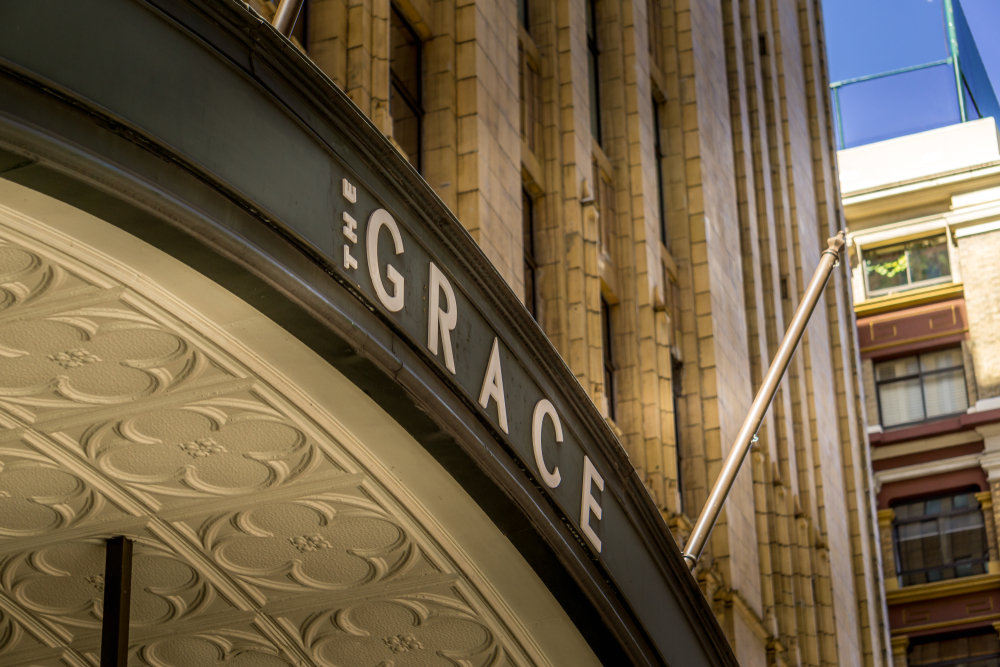
Closer to home, Melbourne’s Manchester Unity Building and the Grace Building in Sydney are well-known examples of this style of architecture in Australia.
Other popular art deco buildings in Australia include:
- The Sun Theatre, Yarraville VIC
- Cathedral Arcade, Melbourne VIC
- Roxy Theatre, Parramatta NSW
- Surf Lifesaving Club, Cronulla NSW
- Southport Town Hall, Southport QLD
- Beacon Lodge Apartments, Glenelg SA
- Legacy House, Launceston TAS
- Guildford Town Hall and Library, Guildford TAS
Art deco remains a popular and timeless architectural style and continues to inspire architects and designers worldwide.
To discuss your building design project, contact the team at Lateral Building Design.