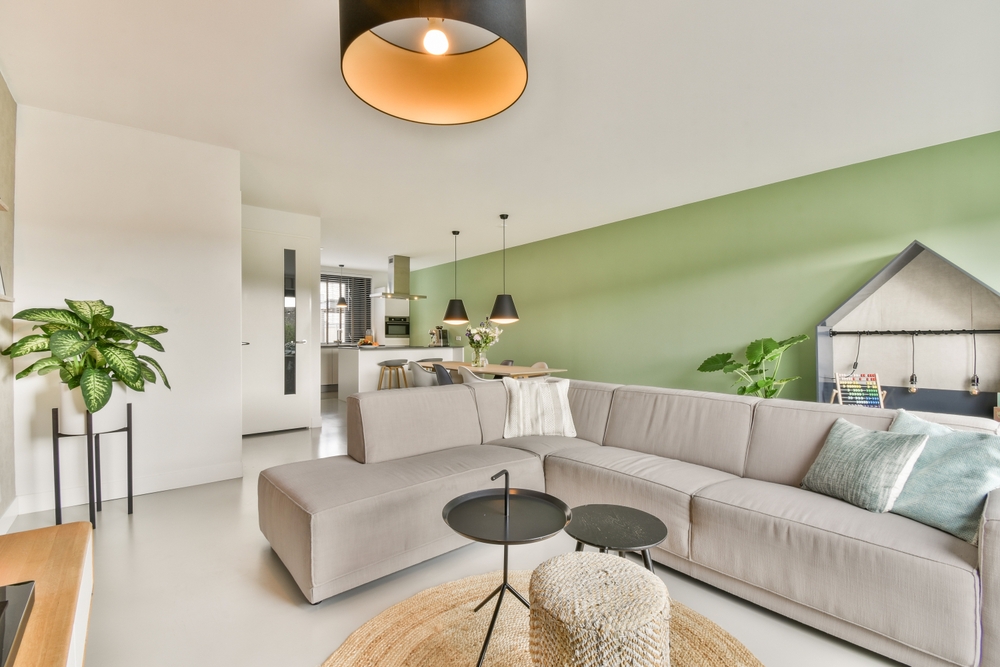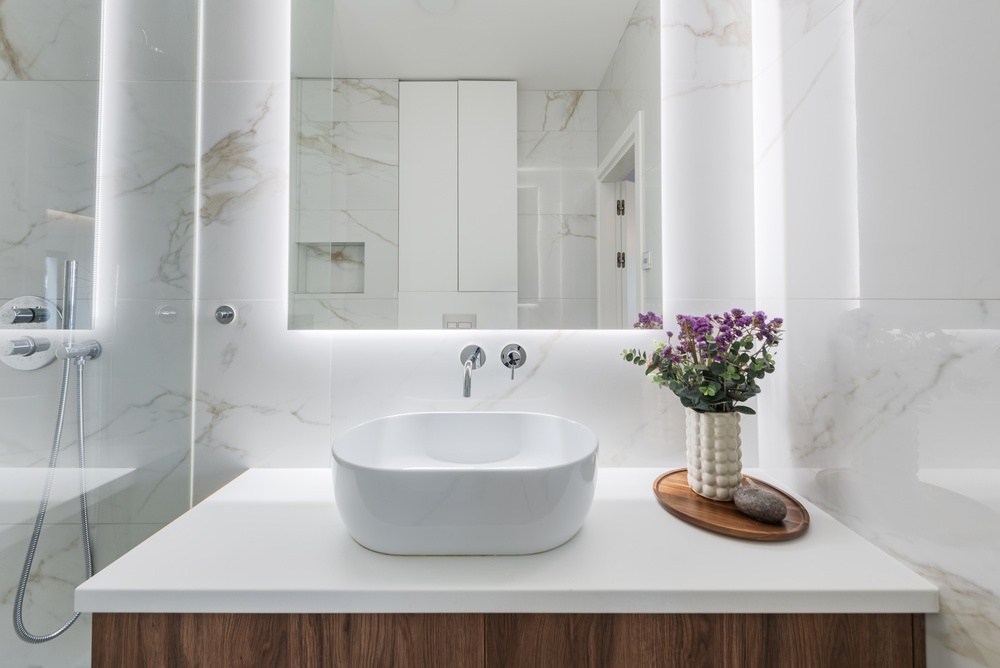
Line is one of the most basic and fundamental elements of interior design. Every room in the home is made up of lines. Lines help define a space, guide the eye towards a focal point and influence how a room feels. Line can be created by architectural features, furniture placement or decorative elements.
There are three types of lines: horizontal, vertical and dynamic.
Horizontal lines create a sense of stability and can help make a room look larger and wider.
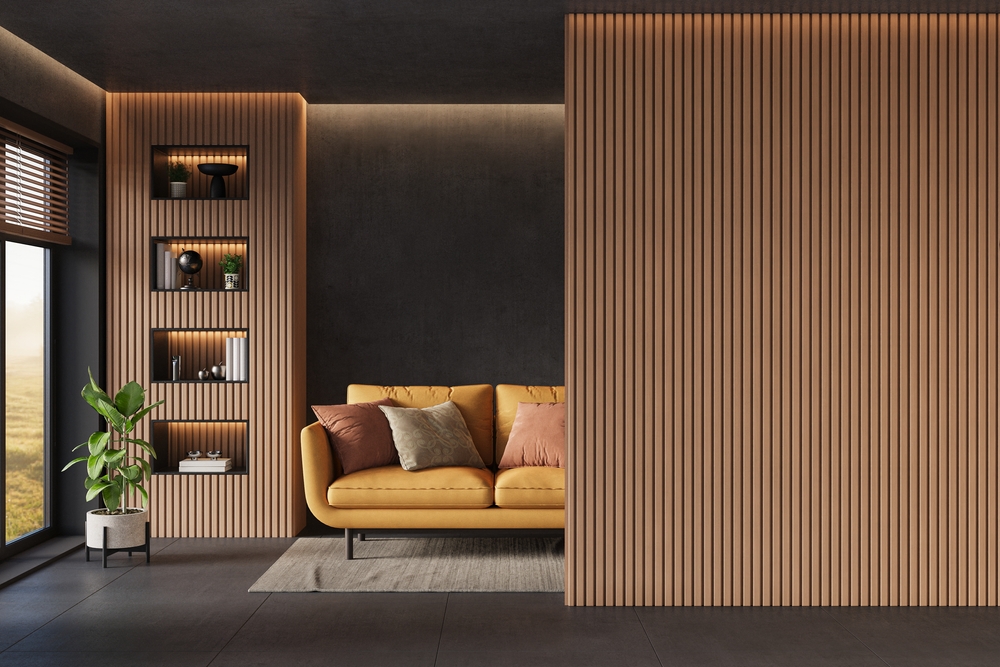
Vertical lines draw the eye upwards, creating the illusion of a taller space.
Dynamic lines can be diagonal, curved or zig zag and often invite action. Examples of dynamic lines include staircases and railings.
A well-designed home balances these different types of lines to create harmony.
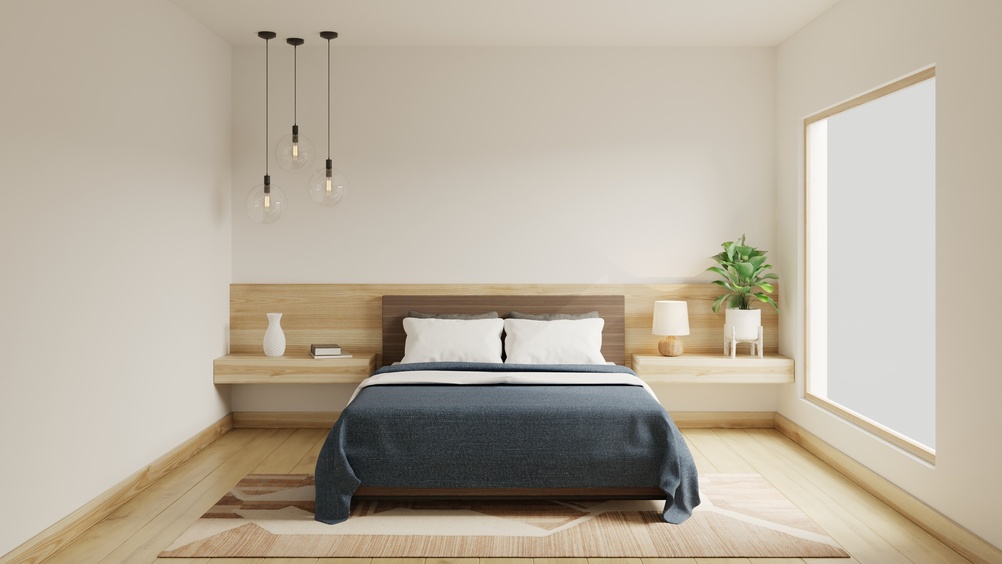
How to Use Line in Your Home
Line can play an important part in connecting spaces in your home. While line exists in the architecture and elements of your home such as the walls, countertops, staircases etc, there are also other simple ways to emphasise line.
Using vertical elements such as tall bookcases, full-length curtains or vertical wall panelling can make a space look taller. Furnishings with horizontal lines such as long dining tables, low furniture and floating shelves will make the space look wider. Dynamic lines can be introduced by using curved mirrors or rugs. By using the lines already in your home and choosing furnishings that complement them, you can create a space that is balanced and visually appealing.
Line may be a simple design element, but it can influence the way your home looks and feels. By understanding how horizontal, vertical and diagonal lines work together, you can create a home that feels spacious and balanced.
To discuss your building design project, contact the team at Lateral Building Design.